Istanbul Airport Duty‑Free: Save Up to 40% on Real Deals
Learn which items truly beat city prices at Istanbul’s duty‑free and how customs limits shape your savings. Most travel guides gloss over hidden mark‑ups, leaving you with inflated receipts.
Shop or reserve before you fly
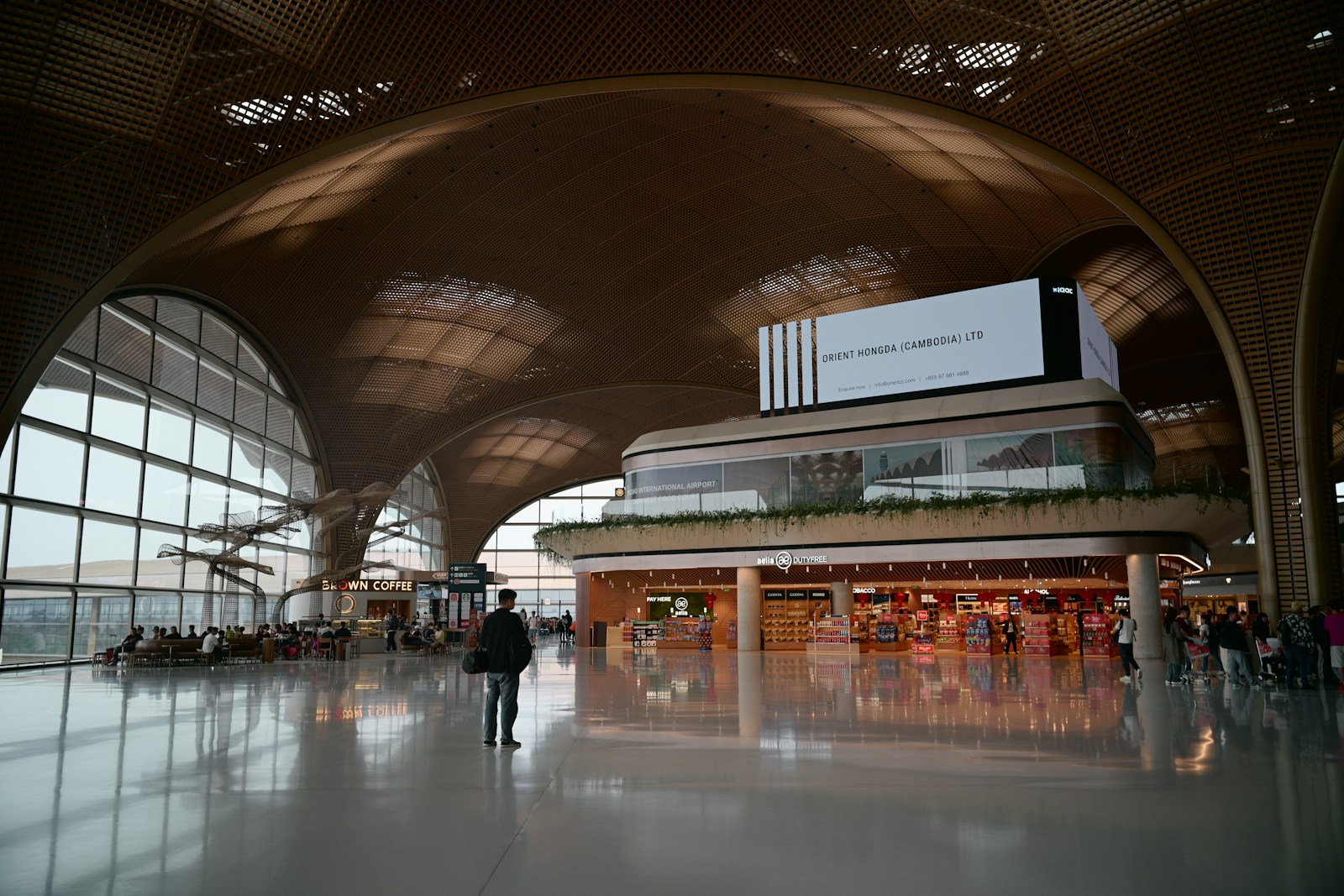
A single bottle of perfume can cost half as much on the jet bridge as it does on a street‑level boutique, but the math behind that discount hides traps most first‑time flyers never see.
If you wander the glittering corridors without a plan, you’ll end up paying for the ambience as much as the product.
When the boarding call finally sounds, the regret of an overpriced “deal” can linger longer than the flight itself.
Are the price tags at Istanbul’s duty‑free actually cheaper than city stores?
The tax exemption that powers duty‑free shelves removes the 18 % VAT and 10 % special consumption levy that apply to most Turkish retail.
Because those two percentages disappear, a 150‑lira bottle of niche perfume can drop to roughly 100 lira, a swing that translates to a 35 % discount in local currency.
However, the same bottle on a boutique in Nişantaşı often carries a promotional discount that brings the price down to 115 lira, narrowing the gap to a single‑digit advantage for the traveler.
Consequently, the headline “no tax” promise only guarantees a win when the baseline city price sits at or above the full‑taxed duty‑free amount.
What customs limits dictate how much you can bring home?
The Turkish customs office grants each adult a duty‑free allowance of 1 liter of spirits, 200 cigarettes, or 50 grams of perfume, plus a combined value ceiling of roughly 430 euros for other goods.
If you exceed those thresholds, the excess is taxed at the standard rates, erasing any perceived savings.
For a family of four, the aggregate allowance expands to four times the individual limits, but the value ceiling scales per person, not per group, meaning the total permissible spend still hovers around 1,700 euros.
Cross‑checking your intended haul against these numbers before you queue prevents a surprise invoice at the passport control desk.
Which product categories tend to hide the biggest mark‑ups?
Luxury cosmetics and designer fragrances dominate the shelves, yet many of them are sourced from the same distributors that supply Istanbul’s high‑end malls.
Because the duty‑free operator pays a bulk‑purchase premium, the final list price can be inflated by 10‑15 % above the true wholesale cost, even after tax removal.
Conversely, locally produced delights—such as Turkish delight, pistachio nougat, or hand‑crafted copperware—often arrive without any import duties, allowing the duty‑free outlet to offer genuine 20‑30 % cuts compared with souvenir shops across the city.
Alcohol, especially whiskey and cognac, remains the classic bargain, with bottles that would fetch 300 lira in the city dropping to 180 lira on the terminal floor.
How can you verify a genuine discount before you buy?
First, write down the exact SKU or brand name you plan to purchase, then glance at the official website of the Istanbul Airport duty‑free retailer; they publish current list prices for most items.
Second, pull up a price‑comparison app on your phone, set the currency to Turkish lira, and search the same product at a reputable city retailer such as Beymen or D&R.
Third, factor in the VAT that the city price includes—multiply the local price by 1.18, then subtract the duty‑free price; the remainder reveals the real percentage saved.
If the calculation yields less than a 10 % advantage, the “deal” is more hype than value.
What concrete steps should you follow to lock in a bargain?
Prepare a spreadsheet on your phone with columns for product, city price, duty‑free price, and net saving; fill it during a pre‑trip research session and update it at the airport using the retailer’s kiosk.
Allocate a budget range of 100‑300 lira per item for cosmetics, 150‑250 lira per bottle for spirits, and 50‑120 lira for food souvenirs; staying inside those windows helps you avoid impulse overspending.
When the boarding gate opens, head straight to the duty‑free counter, present your saved spreadsheet, and request the exact SKU; staff often have hidden stock rooms where the same brand is listed at a lower internal rate.
If the clerk offers a “special of the day” that falls outside your pre‑calculated range, politely decline and walk away; the pressure tactic disappears as soon as you stop showing interest.
Finally, keep receipts, note the serial numbers of electronic items, and store them in a dedicated folder on your phone; this documentation becomes indispensable if customs later questions the value of your haul.
What should you double‑check before handing over cash?
Confirm that the total declared value stays within the per‑person Euro ceiling; a quick mental conversion using today’s exchange rate prevents accidental overage.
Verify that the barcode on each product matches the one displayed on the receipt; mismatches sometimes indicate a substitution with a higher‑priced variant.
Inspect the packaging for any signs of tampering; duty‑free warehouses sometimes repack older stock in generic boxes, and a broken seal can void the tax exemption.
Re‑read the receipt for any hidden service fees—some terminals tack on a nominal processing charge of 5‑10 lira per transaction, which can erode a marginal discount.
Only after these three checks should you sign the payment screen, confident that the numbers you see truly reflect a bargain rather than a glossy marketing ploy.
Shop or reserve before you fly
Before you fly, read these
Save up to 40% on whisky and perfume at Changi duty‑free
Learn which product groups truly undercut Singapore’s city stores and how to stay inside customs limits. Most guides gloss over the fine print, turning a seeming steal into a costly mistake.
Heathrow Duty‑Free: Where Alcohol Saves, Gadgets Bleed
The guide tells you which product classes truly beat city prices and which ones are trap doors for your wallet. Most travel blogs lump everything together, leaving you overpaying on gadgets and missing real bargains on spirits.
Dubai Airport Duty Free: What's Worth Buying and What's Just Shiny
Dubai's duty free is massive, open around the clock and full of promos. It's also designed to make tired travelers spend. Here's what's actually worth your layover money.