Why Duty‑Free Sunglasses Can Still Cost $200 More Than Outlets
You’ll learn the exact price differentials between duty‑free and outlet versions of top‑tier sunglasses and accessories, plus the customs limits that decide if you even get a discount. Most guides gloss over hidden taxes and exchange‑rate quirks, leaving travelers overpaying by hundreds.
Shop or reserve before you fly
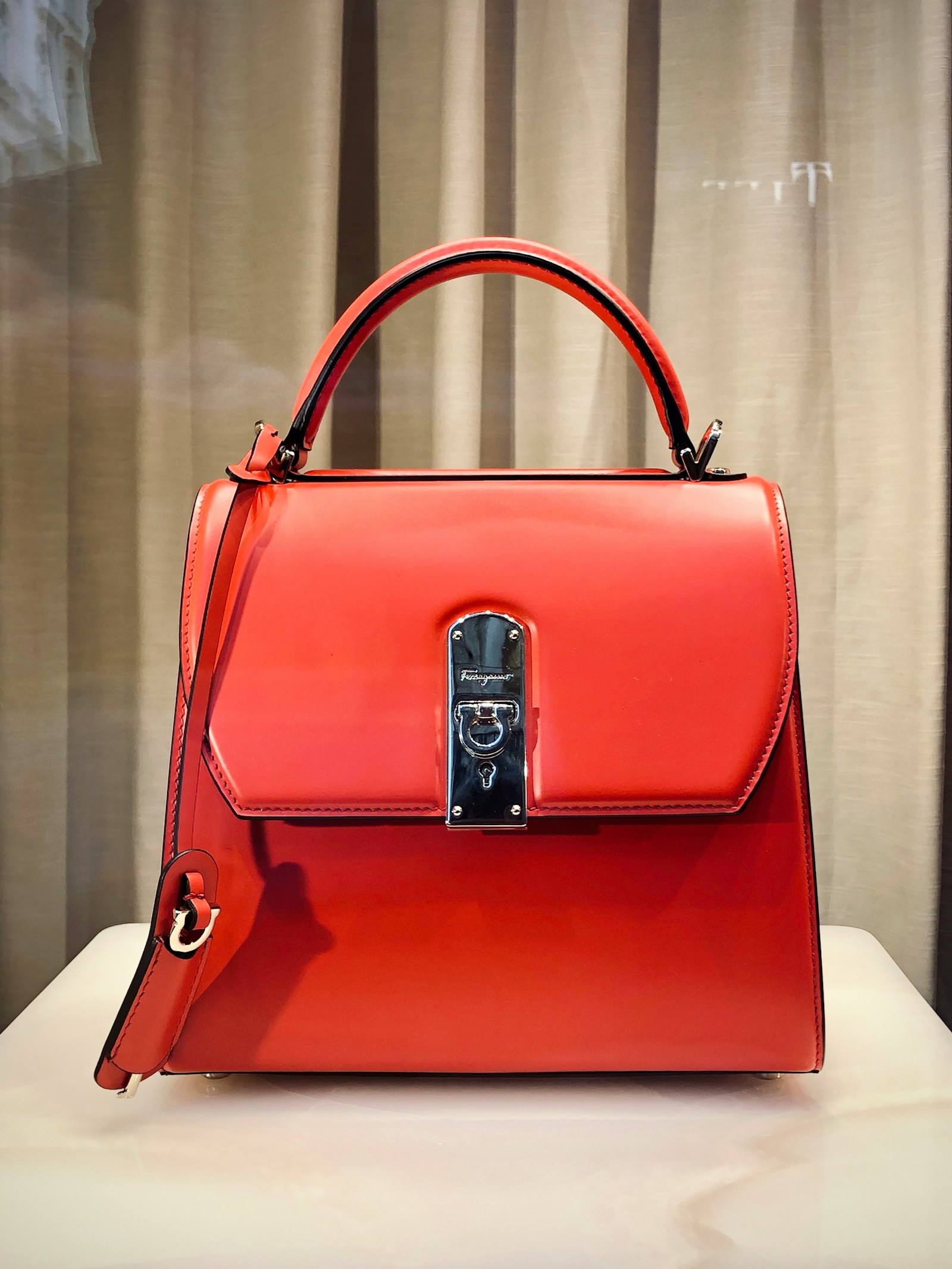
You walk past the duty‑free kiosk, eyeing a pair of designer shades that promise a tax‑free tag, but the price tag still feels like a sting. The tension is simple: you could be saving a few hundred dollars, or you could be paying a premium disguised as a discount. Travelers who ignore the fine print often end up with a bill that eclipses the outlet price they could have found online. The airline’s duty‑free brochure will flaunt a 30% discount, yet the fine print hides a conversion fee that can eat half of that. If you walk away without a calculator, you’ll never know whether you’ve actually saved.
Do duty‑free stores really shave off the tax?
In most airports the displayed price already excludes the local VAT that would apply in the city, so the sticker reads lower than a shop on the street. That omission creates the illusion of a tax‑free bargain, but you still pay the brand’s wholesale markup, which can hover between 15% and 30% above the factory price. In practice the tax exemption is only valid for goods that leave the EU territory, so the moment you step into the arrivals hall the exemption disappears. Some airports even list a “tax‑free” price that already includes a hidden handling surcharge.
However the concessionaire running the terminal often adds a 5%‑10% service surcharge that is not advertised, meaning the final amount can eclipse the nominal savings by a comfortable margin. Those service fees are rarely disclosed until the point of sale, making the checkout experience feel like a surprise invoice.
How do outlet discounts compare?
Typically outlet chains negotiate bulk purchases directly from the brand, which can knock 20%‑30% off the MSRP and still leave room for the retailer’s margin. Outlet managers can also push unsold inventory by bundling a free case or cleaning kit, which nudges the effective price lower. The bulk discount is calculated on the base wholesale cost, not on the final retail price you’d see at a boutique.
Yet the same models sometimes appear at a discount mall for a price that undercuts the duty‑free version by a wider margin, especially when the outlet clears last season’s colorways. Seasonal clearance events at outlet villages can push discounts to 50% for older frames, a level rarely matched by any duty‑free promotion. When the brand releases a new season, the outlet often carries the previous year’s color, which can be a hidden advantage for style‑savvy shoppers.
What customs limits decide whether you can keep the deal?
Every traveler entering the EU, the US, or Canada carries a personal allowance for eyewear that rarely exceeds $200‑$300, and any excess is subject to duty. The allowance applies per person, not per bag, so splitting the purchase between travel companions can double the tax‑free quota.
If your suitcase pushes the declared value past that ceiling, customs will apply a rate that can range from 10% to 20% on the overage, turning a $600 pair into an $800 purchase after taxes. If you declare the excess voluntarily, you may face a reduced penalty compared to a surprise audit at the gate.
When does the exchange rate tilt the scales?
Most duty‑free terminals price in the local currency, then convert at the airport’s own exchange rate, which can be 2%‑5% worse than the interbank rate you see online. Airports often partner with currency‑exchange kiosks that charge a flat commission on top of the markup, further inflating the final amount.
Outlets priced in the destination’s currency let you apply a credit‑card that fetches a near‑market rate, shaving a few dozen dollars off a $1,000 pair that would otherwise cost $1,050 at the kiosk. If your card issues rewards points, those can offset a portion of the higher price, effectively lowering the net cost.
Practical steps to lock the best price
First, map the exact model you want on the brand’s official site and note the listed MSRP, because the reference price is the only anchor you can compare against. Write the model number down before you reach the gate, because the kiosk staff may misread a similar SKU.
Second, compare that MSRP to the duty‑free price, then subtract the local tax rate—usually between 5% and 20% depending on the country—to see the nominal saving before other fees. Remember that the duty‑free price is often quoted in the local currency, so you’ll need to convert it to your home currency for a true comparison.
Third, calculate the effective cost after applying the airport’s exchange markup and any possible customs duty; for a $1,200 pair the total extra charge typically lands in the $150‑$250 band, erasing most of the advertised discount. If you’re traveling with a companion, split the total and compare the per‑person cost; sometimes the shared expense still beats the outlet price after all adjustments.
What to double‑check before you hand over cash?
Look at the fine print on the receipt for a “tax‑included” disclaimer; some kiosks actually embed the tax back in, turning the so‑called duty‑free price into a regular taxed amount. A “tax‑included” label can be a marketing ploy; verify the line‑item breakdown on the receipt to see if the tax was truly omitted.
Confirm that the serial number on the frame matches the one on the warranty card, because a mismatched tag often signals a gray‑market unit that won’t be covered by the brand’s service network. Serial mismatches are common with gray‑market imports that bypass the brand’s authorized distribution network, leaving you with a product that may lack genuine warranty stickers.
Shop or reserve before you fly
Before you fly, read these

How to Keep 15% of Your EU Purchases at the Airport
Learn the exact steps to claim a VAT refund at European airports and why most guides miss the critical paperwork timing. Avoid empty refunds and hidden fees with this no‑fluff walkthrough.
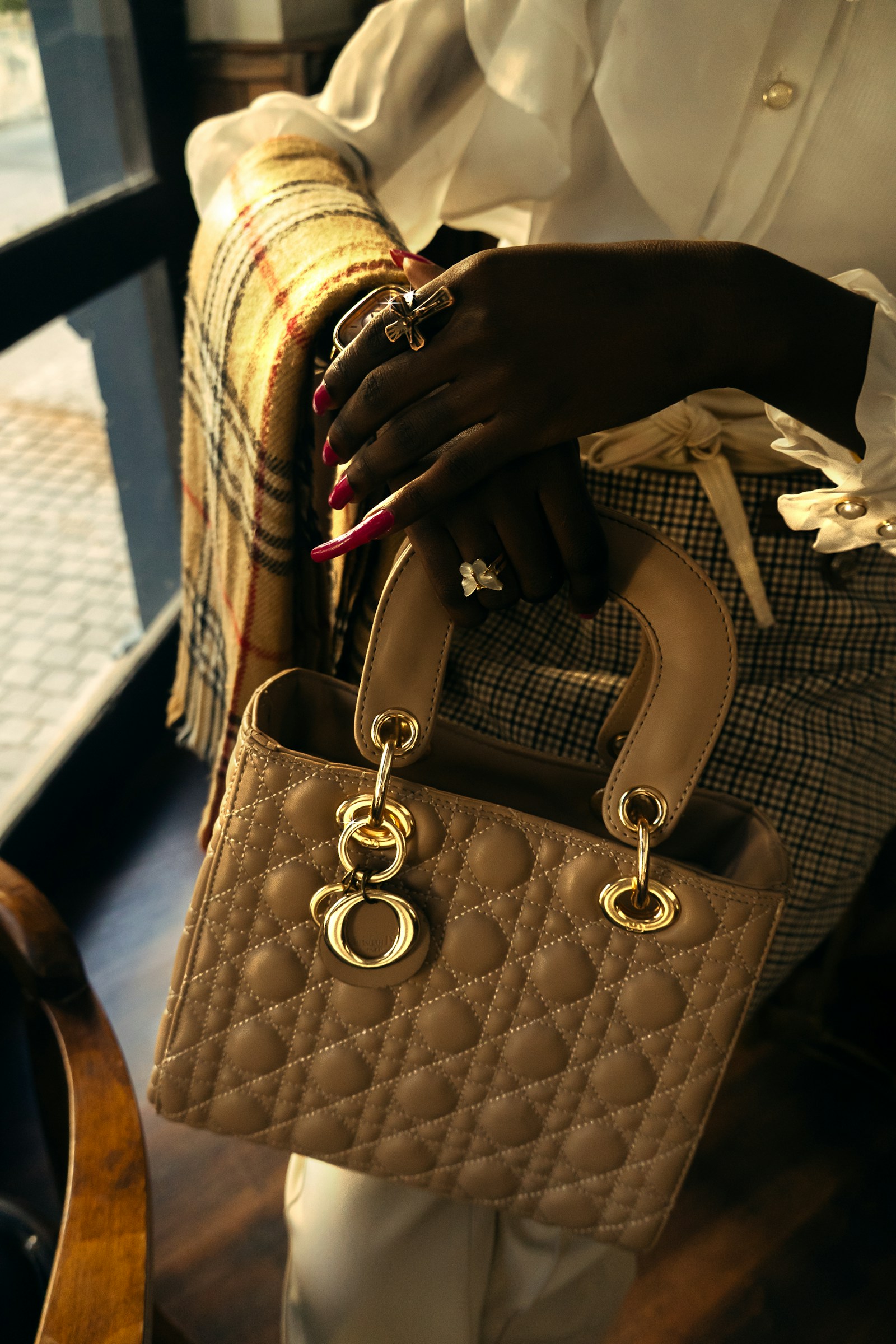
Luxury Handbags: VAT Refund in the City or Duty Free at the Airport?
Should you buy that designer bag downtown with a VAT refund, or wait for the airport? The answer depends on the country, the brand and how much time you have.
Bangkok's King Power: How the Downtown Duty-Free System Works
In Bangkok you can shop duty free downtown and collect at the airport. It's convenient, but there are rules about timing and pickup. Here's how it works.